
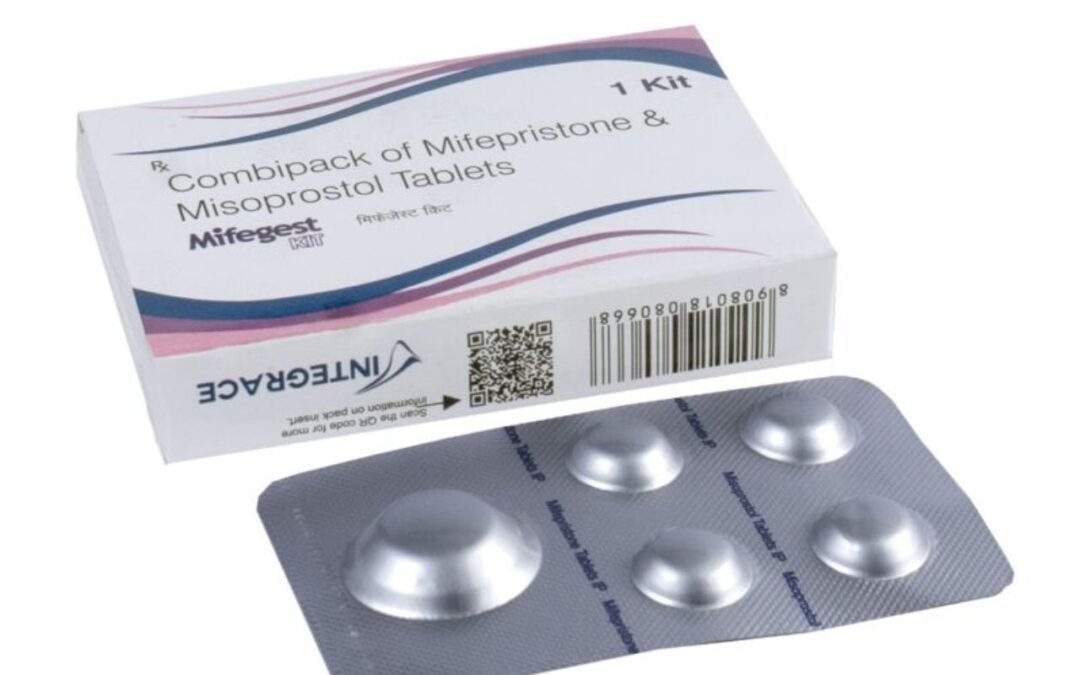
The administration of a mifegest kit represents a structured pharmaceutical protocol utilized within specialized medical practice for the termination of an early pregnancy. This non-surgical approach is strictly indicated for use under the direct supervision of licensed healthcare professionals and within authorized clinical settings. Prior to initiating a mifegest kit treatment path, patients must undergo a comprehensive diagnostic evaluation to confirm eligibility and assess potential health risks.
mifegest kit
Proponents of non-surgical healthcare options suggest that utilizing a mifegest kit offers a holistic approach to early pregnancy management. Within established clinical frameworks, the medical use of a mifegest kit is categorized by the following therapeutic indications:
- Management of Early Pregnancy: Employed as a verified medical option for the termination of pregnancy within legal gestational limits.
- Early Pregnancy Loss: Utilized in cases of natural miscarriage to ensure the complete expulsion of uterine contents and prevent secondary infections.
- Obstetric Applications: Used in specific clinical scenarios, such as labor induction or cervical preparation, under strict hospital-monitored conditions.
Pharmacological Mechanism of Action
The therapeutic function of a mifegest kit relies on two distinct chemical agents that work sequentially to disrupt pregnancy development. This process must always follow strict clinical guidelines and precise healthcare standards to minimize risks and protect patient health:
1. Progesterone Receptor Antagonism
The initial phase of the mifegest kit protocol utilizes mifepristone to selectively bind to and block natural progesterone receptors. Because progesterone is the primary hormone required by the body to sustain a pregnancy lining, blocking its path stops further development. This initial transition typically takes 24 to 48 hours to manifest, causing localized shifts in the uterine field.
2. Myometrial Contraction and Cervical Ripening
Following the baseline phase, the secondary component of the mifegest kit is introduced under direct medical supervision. Misoprostol, a synthetic prostaglandin analog, acts to actively soften and relax the cervical opening while simultaneously inducing structured contractions within the uterine muscle wall. This mechanical combination ensures the safe, non-surgical clearing of tissue, achieving a high success rate.
Important Patient Safety Protocol: Clinical literature establishes that the physical onset of uterine bleeding does not automatically confirm the complete resolution of the treatment. A definitive evaluation using diagnostic ultrasound imaging, performed by a licensed professional 10 to 14 days post-procedure, is the only medically verified method to ensure full recovery and prevent long-term health complications after using a mifegest kit.
Clinical Applications and Secondary Structural Uses
While primarily recognized within reproductive healthcare for specific pharmaceutical protocols, the clinical elements of a mifegest kit may be utilized under formal medical guidelines for several distinct therapeutic purposes:
- Post-Surgical Protocols: In specialized cases, healthcare providers may utilize specific hormonal modulators following gynecological procedures to help support uterine tissue recovery and maintain long-term physiological health.
- Menstrual Regulation: Under strict medical diagnostic criteria, targeted protocols can be introduced by an authorized specialist to help restore balance to chronic irregular cycles or address underlying uterine conditions using a mifegest kit.
- Specialized Ectopic Management: Early-stage extrauterine developments require immediate, highly specialized clinical interventions, where targeted pharmacological care is managed directly within an accredited hospital setting to prioritize patient safety.
Clinical Compliance and Patient Safety Parameters
To maintain absolute legal integrity and protect public health, all non-surgical healthcare procedures involving a mifegest kit are governed by strict regulatory frameworks and expert medical committee reviews. Every case undergoes a thorough, private validation process to ensure the highest standards of care:
- Official Eligibility Verification: Every medical file is systematically reviewed by a specialized medical committee, consisting of licensed physicians, to confirm compliance with established healthcare codes and legal necessity before a mifegest kit is approved.
- Regulatory Documentation Standards: Clinical administrative teams assist individuals and expatriate residents in verifying valid residency credentials, medical insurance parameters, and legal health history clearances.
- Gestational Timeline Accuracy: Advanced diagnostic tracking and ultrasound imaging are utilized to verify that all treatment paths fall strictly within the permitted legal gestational limit for medical interventions.
- Continuous Specialist Monitoring: From the initial consultation through complete recovery, all care is managed under the direct supervision of board-certified obstetricians and gynecologists, backed by 24/7 secure telehealth support channels to monitor your mifegest kit progress.
Frequently Asked Questions — Safety and Administration Protocols
Is a mifegest kit available for online purchase or home delivery?
No. Under national healthcare laws and strict pharmaceutical regulations, a controlled mifegest kit is classified as a prescription-only hospital good. It is not available for retail sale, online purchase, or unmonitored home delivery. All treatments must be formally administered within an authorized clinical facility following official medical board approval.
What are the standard monitoring steps during this medical process?
The standard protocol requires a structured, multi-step clinical timeline. This includes an initial diagnostic assessment, supervised physical administration of the treatment path, and a mandatory follow-up evaluation using professional ultrasound imaging between days 7 and 14 to verify complete physical recovery after a mifegest kit session.
What pre-existing health conditions must be disclosed to the doctor?
Patients are required to provide a comprehensive medical history before any treatment plan is approved. You must inform your physician if you have a history of ectopic pregnancy, blood clotting disorders, severe anemia, chronic kidney or liver disease, or if you are currently utilizing an intrauterine contraceptive device (IUD) before starting a mifegest kit protocol.
How are side effects safely managed by a healthcare team?
Common temporary side effects—such as nausea, vomiting, dizziness, or localized abdominal cramping—are actively managed using clinically approved supportive therapies. Accredited clinics provide specialized guidance on pain management and dietary care, ensuring that any severe or prolonged uterine bleeding receives immediate, expert medical attention during the mifegest kit recovery phase.
Prioritizing Institutional Care Standards
The safe management of reproductive health requires objective, evidence-based data and a commitment to strict clinical compliance. Ensuring your treatment is handled within a licensed, professional healthcare environment protects your data privacy, fulfills all legal requirements, and safeguards your long-term wellness under verified medical ethics.
Pharmaceutical Storage Standard: Controlled medical kits are maintained within institutional pharmacies in cool, dark, and moisture-controlled environments between 10°C and 25°C to preserve chemical stability and ensure maximum patient safety for every mifegest kit.